Common Myths About Automotive Window Tinting Debunked
St
Understanding the Basics of Window Tinting
Automotive window tinting is often misunderstood, with a variety of myths surrounding its benefits and drawbacks. Many car owners are hesitant to tint their windows due to these misconceptions. In this post, we aim to debunk the most common myths about window tinting, helping you make an informed decision.
Myth 1: Window Tinting Is Only for Aesthetics
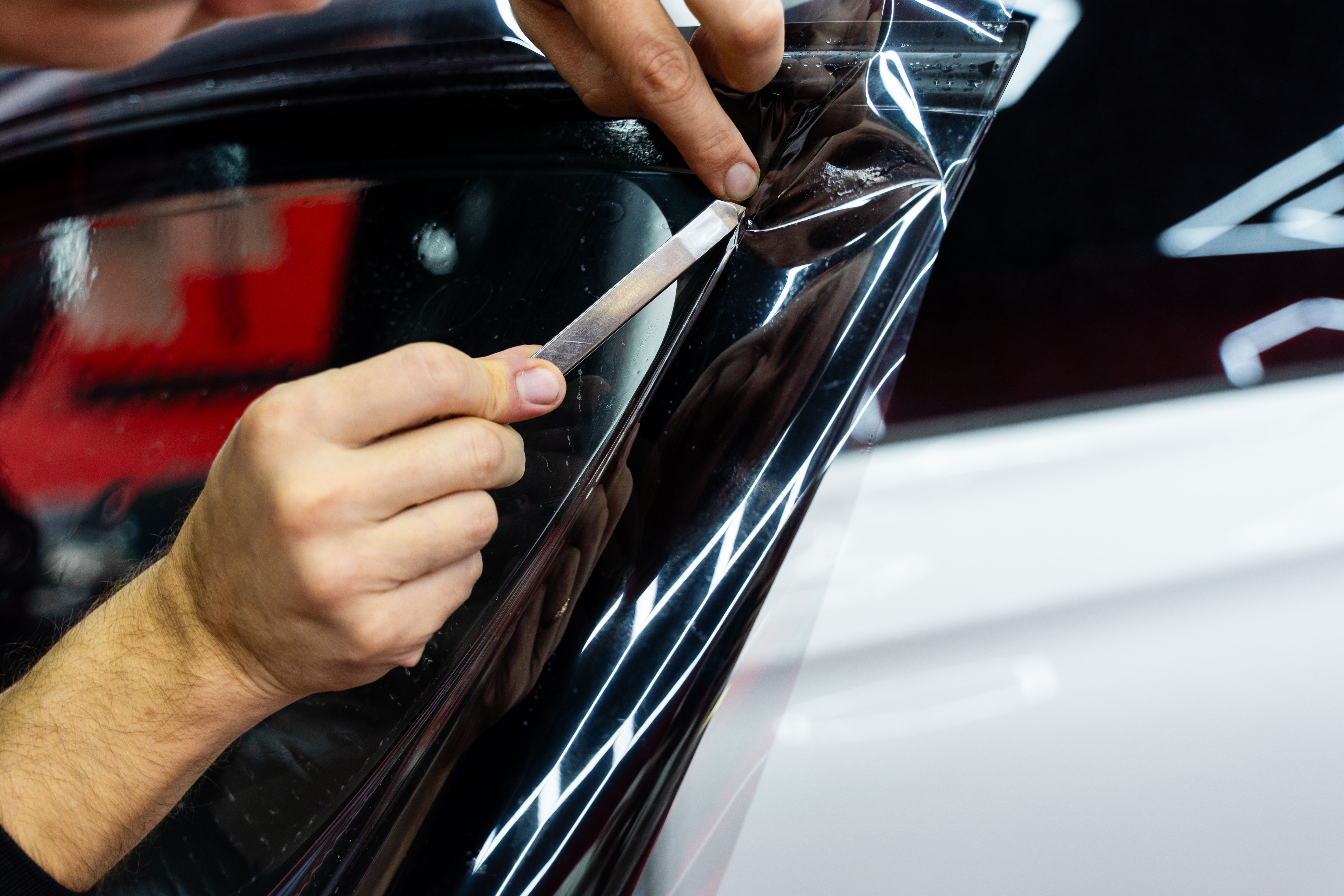
While it's true that window tinting can enhance the appearance of your vehicle, it serves several practical purposes as well. Window tinting provides UV protection, reduces glare, and increases privacy. It also helps in maintaining a cooler interior by blocking solar heat, which can be particularly beneficial during summer months.
UV Protection and Health Benefits
One of the most significant benefits of window tinting is its ability to block harmful UV rays. Prolonged exposure to UV rays can lead to skin damage and increase the risk of skin cancer. By choosing the right tint, you can protect yourself and your passengers from these harmful effects.
Myth 2: Window Tinting Is Illegal Everywhere
Another common myth is that window tinting is illegal in most places. The truth is that regulations vary by region. Most areas have specific guidelines regarding the level of tint allowed on different vehicle windows. It's essential to check local laws to ensure compliance when tinting your windows.

Understanding Legal Limits
Each state or country may have different legal limits for window tinting. Generally, the front windows have stricter limits compared to the rear windows. Being aware of these regulations can help you avoid fines and ensure that your tint is within legal limits.
Myth 3: Window Tinting Causes Glass to Break
Some people believe that window tinting can cause glass to shatter more easily. In reality, quality window tinting can actually strengthen glass. The film acts as an additional layer that holds the glass together in case of an impact, reducing the risk of injury from shattered glass.
Enhancing Safety with Window Tinting
By reinforcing the glass, window tinting can improve overall vehicle safety. In the event of an accident, the film can help keep the glass intact, providing an extra level of protection for passengers.

Myth 4: Window Tinting Is Too Expensive
Cost is often a concern for those considering window tinting. However, tinting is an affordable investment that offers numerous long-term benefits. The initial cost can be offset by the savings on energy and upholstery damage prevention.
Long-Term Savings
By blocking UV rays and reducing interior heat, tinting can help preserve your car's upholstery, preventing fading and cracking. This can save you money on repairs and replacements in the long run. Additionally, a cooler interior means less reliance on air conditioning, leading to fuel savings.
Conclusion: Making an Informed Decision
Understanding the truth behind these common myths can help you make an informed decision about window tinting. By considering the practical benefits and legal aspects, you can enjoy a safer, more comfortable, and aesthetically pleasing ride.